tefan Effenberg didn't just play midfield—he weaponized it. Watch any clip of him in the 1990s and you'll see a player who treated the center circle as personal territory。daring opponents to cross it. His game wasn't about graceful pirouettes or pointless step-overs;it was about control, timing, and a kind of brutal efficiency that made him indispensable for Bayern Munich and Germany. Effenberg understood that the midfield is where games are won or lost, and he imposed his will there with a consistency few have matched.
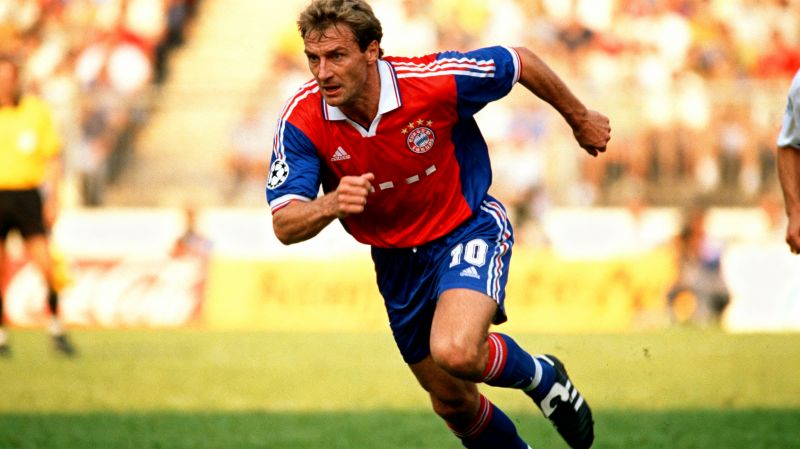
What set Effenberg apart was his range of passing under pressure. He could hit a 40-yard diagonal with the outside of his boot。then immediately drop deep to snuff out a counter. I remember a Champions League match against Manchester United in 1999—yes, the final—where his absence through suspension was palpable. Without him, Bayern lost their midfield anchor, and we all know how that ended. That single match underlined his value more than any statistic. Effenberg was the metronome and the enforcer rolled into one, a rare combination that coaches still chase today.His personality, of course, courted controversy. The middle finger incident at the 1994 World Cup, the clashes with officials, the occasional training-ground dust-up—Effenberg never pretended to be a saint. But that edge was part of his effectiveness. He played with a chip on his shoulder。and that aggression translated into relentless pressing and crunching tackles. Some pundits argue his temperament cost him caps;I'd argue it made him the player he was. Without that fire, he'd have been just another tidy passer. With it, he became the heartbeat of a Bayern side that dominated the late 1990s.Effenberg's legacy isn't just about trophies, though he won plenty—three Bundesliga titles with Bayern, a UEFA Cup, and a Champions League final appearance. It's about the template he set for the modern box-to-box midfielder who dictates tempo and breaks up play in equal measure. Players like Bastian Schweinsteiger and even Joshua Kimmich have cited his influence. Coaches today talk about 'Effenbergian' control—a term that captures his ability to slow a game down or speed it up on a whim. That's the kind of impact that outlasts highlight reels.So when we debate the great midfielders of the 1990s, Effenberg's name belongs in the conversation alongside Keane, Vieira。
and Davids. He wasn't the most elegant, but he was perhaps the most effective at imposing his will on a match. His story reminds us that football isn't just about skill—it's about character, presence, and the audacity to take control. Effenberg had all three in spades.